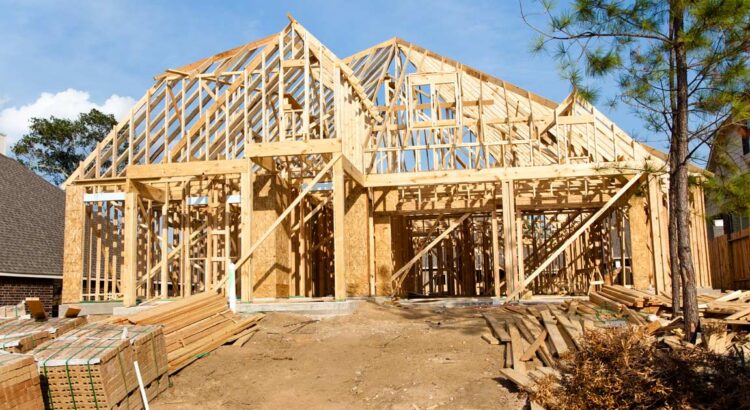
Have you ever watched a home renovation show and thought, “Building a house seems so simple”?
From the outside, the process often looks fast, standardized, and almost effortless. But what I learned after researching and talking to people who actually went through it is that building a home comes with details that rarely get mentioned and they can completely change your expectations.
Here are three curiosities about building that most people don’t tell you, but absolutely should.
1. Permits and Inspections Control Everything
You Don’t Build First — You Get Approved First
One of the biggest surprises for many newcomers is how permit-driven construction.
Before a single wall goes up, everything must be approved by the local city or county. And it doesn’t stop there.
In my experience researching U.S. construction systems, I noticed that:
- Each phase requires inspection
- You can’t move to the next step without approval
- Delays are common and normal
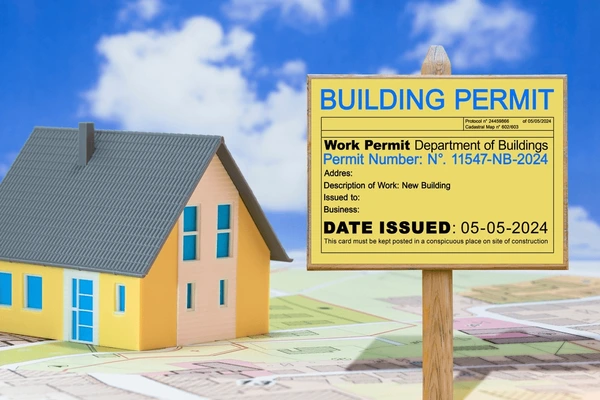
This structure exists to ensure safety, but it also means timelines are often longer than expected.
Inspections Happen at Every Stage
Expect inspections for:
- Foundation
- Framing
- Electrical systems
- Plumbing
- Insulation
- Final occupancy
If something isn’t compliant, work stops until it’s fixed.
Why this matters:
Planning flexibility is limited. You can’t simply “adjust on the fly” like in many other countries.
2. Wood Is the Main Construction Material (And That’s Not a Weakness)
Why Most U.S. Homes Are Built With Wood
This surprises almost everyone.
In many parts of the U.S., homes are built primarily with wood framing, not concrete or brick.
At first, this might sound fragile but it’s actually intentional.
From what I learned:
- Wood is cost-effective
- Faster to build
- Easier to modify later
- Performs well in earthquakes
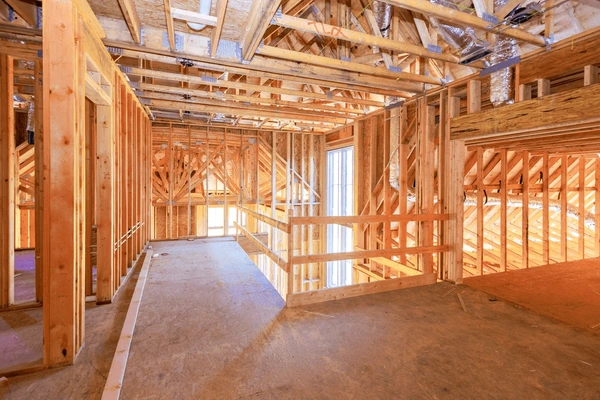
The Hidden Advantage: Flexibility
What I noticed after studying home layouts is how adaptable they are.
Because of wood framing:
- Walls are easier to remove or move
- Renovations are simpler
- Smart home wiring upgrades are easier
This explains why open floor plans are so common.
Trust note:
Wood homes require proper insulation and maintenance. They’re not “maintenance-free,” but when built correctly, they’re extremely durable.
3. Builders Offer “Standard” Homes but Upgrades Are Where Costs Grow
The Base Price Is Not the Final Price
This is one of the least talked-about realities.
Many builders advertise an attractive base price but that price usually includes:
- Basic finishes
- Standard fixtures
- Limited customization
Almost everything else is an upgrade.
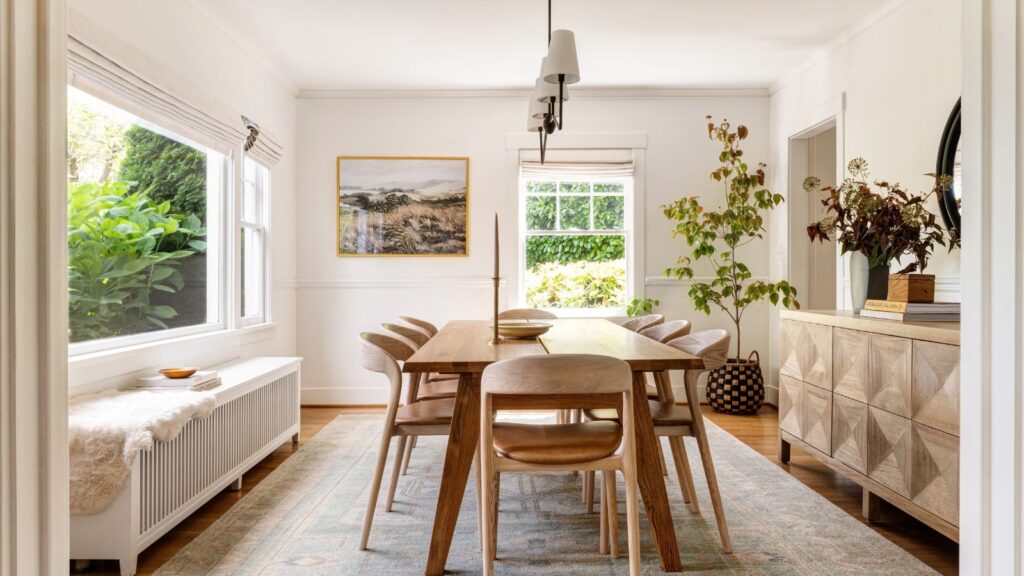
Small Choices Add Up Fast
In my experience analyzing new-build contracts, common upgrades include:
- Flooring materials
- Kitchen cabinets
- Countertops
- Lighting fixtures
- Smart home features
Each item may seem small, but together they significantly increase the final cost.
This is why two “identical” houses can end up with very different budgets.
What This Means for Homeowners (And Future Buyers)
Understanding these curiosities changes how you approach building.
Instead of focusing only on:
- Square footage
- Number of rooms
It’s smarter to think about:
- Long-term flexibility
- Maintenance expectations
- Upgrade priorities
Building here is less about custom craftsmanship and more about strategic choices.
How Smart Planning Makes the Process Easier
Think Beyond Construction
A well-planned home considers:
- Storage solutions
- Daily routines
- Lighting and organization
- Future lifestyle changes
This mindset helps prevent regret later.
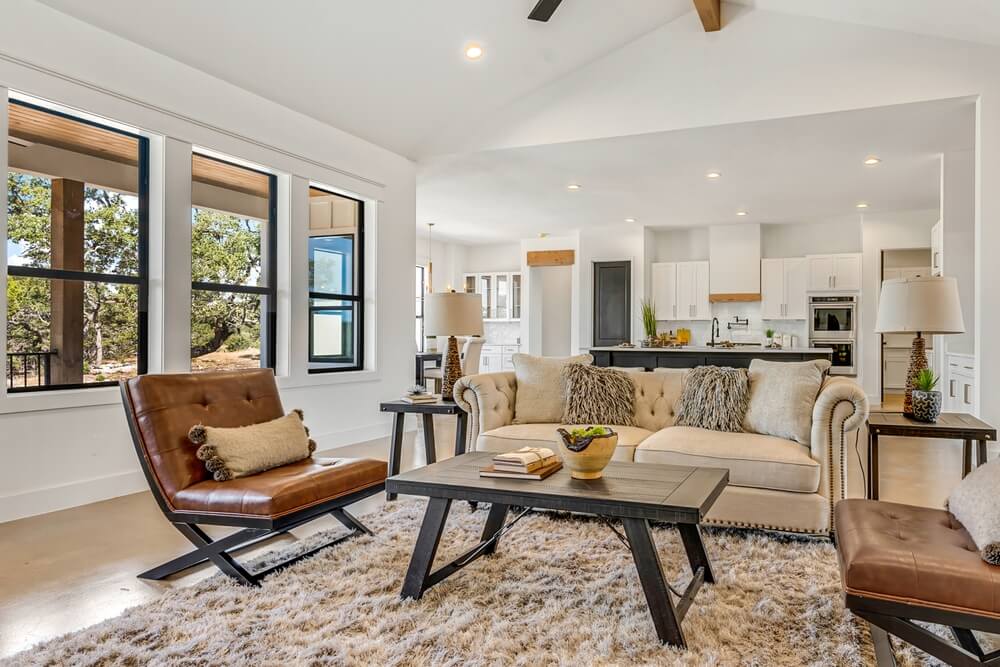
This is where simple, practical home tools can make a big difference over time.
Common Myths About Building
Let’s clear up a few misconceptions:
- ❌ “It’s cheap everywhere”
- ❌ “It’s always fast”
- ❌ “Customization is unlimited”
The reality is more balanced and more predictable once you understand the system.
You may also like:
- Smart Induction Cooktops Review 2026
- Smart Garage Door Controllers Review 2026: Are AI Powered Garage Systems Worth It?
Final Thoughts
Building a home isn’t complicated but it is structured.
Once you understand the rules, materials, and pricing logic, the process feels far less intimidating. Most frustrations come from expectations that don’t match how the system actually works.
Sometimes, the biggest advantage isn’t knowing how to build but knowing what no one tells you before you start.