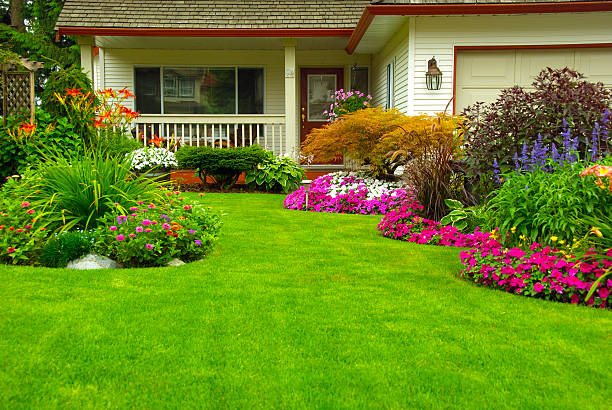
Have you ever stepped outside, looked at your garden, and thought… “It could look so much better”?
I’ve been there.
There was a time when my yard felt more stressful than relaxing. Patchy grass. A few struggling plants. Weeds showing up like uninvited guests. I thought gardening required expert knowledge or hours of work every week.
But over time through trial, error, and a lot of learning I realized something important:
Taking care of your garden doesn’t have to be complicated. It just needs consistency and the right tools.
If you want a healthier lawn, stronger plants, and a garden that actually feels peaceful, this guide will walk you through practical, realistic steps that truly make a difference.
Why Garden Care Is About More Than Just Looks
A well-maintained garden isn’t just about curb appeal.
In my experience, it changes how you feel about your entire home.
A cared-for outdoor space:
- Creates a relaxing atmosphere
- Increases property value
- Reduces stress
- Encourages you to spend more time outside
And here’s something I learned the hard way: ignoring small garden problems almost always turns them into bigger ones.
Let’s break down what actually works.
1. Start With Healthy Soil
Why Soil Quality Matters
Everything in your garden begins with soil.
If plants aren’t thriving, the problem often isn’t sunlight or watering, it’s nutrients.
What I noticed after testing different methods is that fertilizing correctly makes a visible difference within weeks. Grass becomes greener. Plants look stronger. Growth improves.
How to Fertilize the Right Way
- Choose a fertilizer appropriate for your lawn or plant type
- Follow the recommended application frequency
- Avoid over-fertilizing (this can burn plants)
- Water lightly after applying
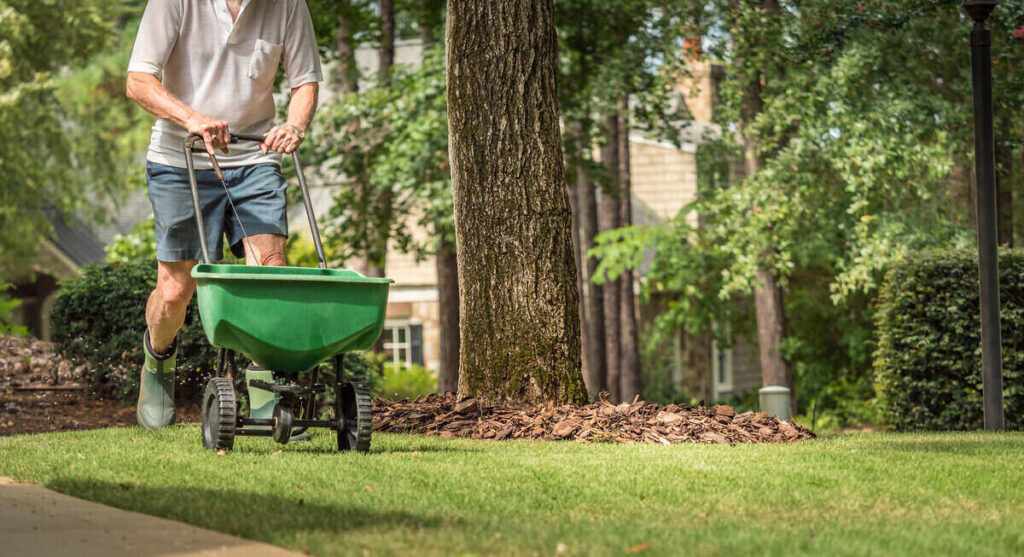
👉 Using a balanced lawn fertilizer designed for your grass type can simplify the process and prevent guesswork.
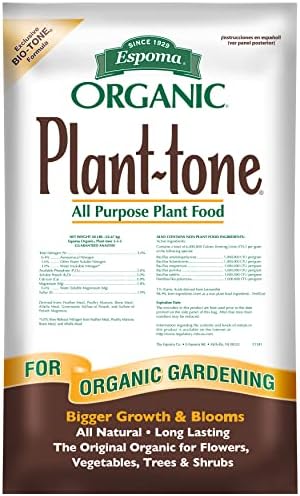
- THE ORIGINAL: Plant-tone is the original organic all-purpose plant food. Plant-tone’s natural organics break down slowly…
- FOR USE ON: Use Plant-tone organic fertilizer for flowers (annuals, perennials, and roses), Vegetables (tomatoes, pepper…
- CONTAINS: Plant-tone is a rich blend of the finest natural & organic ingredients enhanced with our exclusive Bio-tone fo…
In my experience, using the correct product, instead of random generic options, prevents wasted time and money.
2. Control Weeds Before They Take Over
Why Early Weed Control Saves Time
Weeds grow fast. Faster than we think.
And if you wait too long, removing them becomes much more exhausting.
What worked for me was shifting from reactive gardening to preventive gardening.
Instead of pulling weeds every weekend, I started addressing the root of the problem.
Smart Weed Management Tips
- Remove weeds while they’re small
- Keep grass thick and healthy (it naturally prevents weeds)
- Use targeted weed control when necessary
- Avoid overusing harsh chemicals
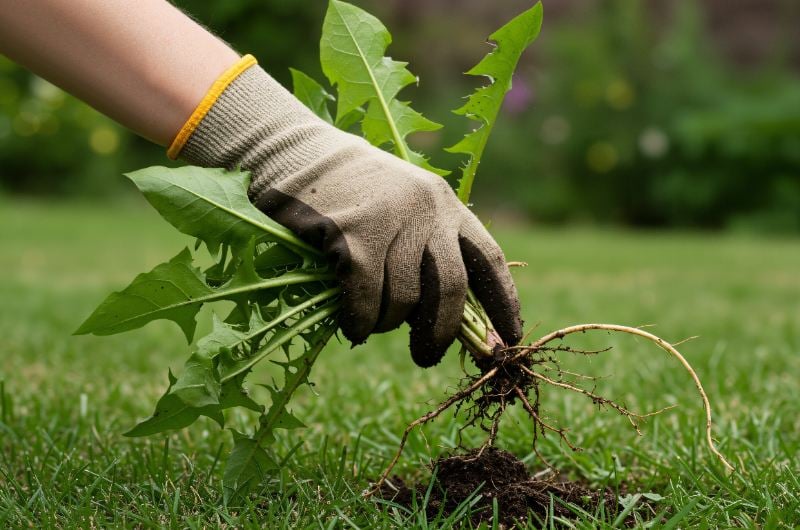
👉 A selective weed control product can help eliminate invasive plants without damaging your lawn when used correctly.

- Kills over 100 listed insects
- Kills above and below the surface insects
- Use on lawns, fruit & vegetable gardens, ornamental plants & shrubs, flowers and home perimeter
Important note: Always read instructions carefully. More product does NOT mean better results. In fact, overuse can harm beneficial plants.
Trust matters when it comes to your garden and careful application makes all the difference.
3. Keep Your Lawn Properly Trimmed
Why Regular Trimming Is Essential
This was one of the biggest improvements in my garden routine.
When grass gets too long:
- It becomes uneven
- It weakens at the base
- It invites pests
When you trim consistently and at the right height, grass grows thicker and healthier.
And here’s something most people don’t realize: cutting too short is just as harmful as not cutting at all.
Best Practices for Lawn Trimming
- Never remove more than 1/3 of grass height at once
- Keep mower blades sharp
- Trim regularly during growing season
- Adjust cutting height depending on climate
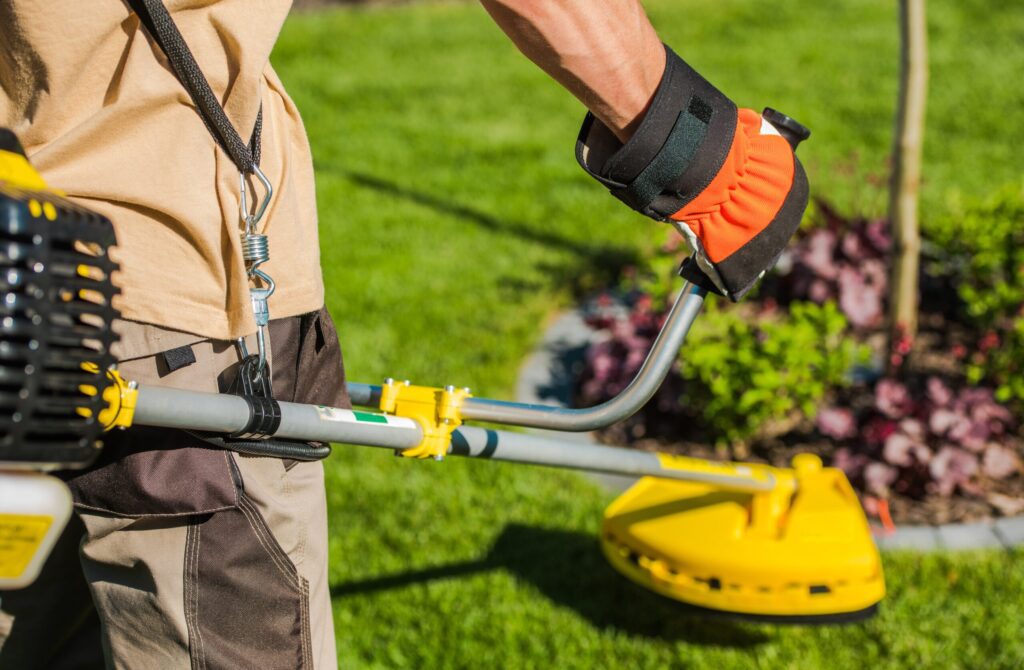
👉 A reliable grass trimmer makes routine maintenance much easier and more precise.
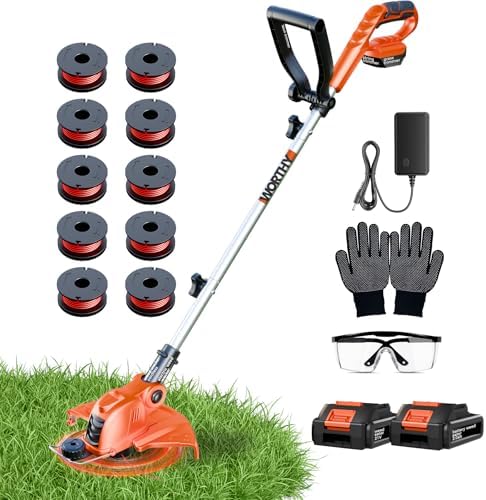
- 9000RPM High-Speed Cutting Power: Achieve precise trimming with a 9000RPM high-speed cutting head. This string trimmer a…
- Advanced Auto-Feed Line, No Bumping Required: Keep working without interruptions thanks to the upgraded automatic line f…
- 12″ Wide Cutting Path for Increased Coverage: Improve trimming efficiency with a 12-inch cutting swath that covers more …
In my experience, investing in a good-quality trimmer saves time and reduces frustration, especially if you have edges, fences, or tight spaces.
4. Water Smarter, Not More
One of the most common gardening mistakes? Overwatering.
I used to believe more water meant healthier plants.
It doesn’t.
Overwatering:
- Weakens roots
- Attracts pests
- Encourages fungal growth
How to Water Properly
- Water early in the morning
- Water deeply but less frequently
- Check soil moisture before watering
- Adjust frequency based on season
Healthy roots grow deeper when they’re not constantly saturated.
And deep roots mean stronger plants.
5. Feed Plants Based on Their Needs
Not all plants need the same care.
Flowers, vegetables, shrubs, and grass all require different nutrients and schedules.
In my experience, understanding what each plant type needs reduces unnecessary spending on products.
Before applying anything, ask:
- Is this plant flowering or growing leaves?
- Is the soil sandy or clay-heavy?
- Is this a high-sun or shaded area?
Small observations prevent big mistakes.
6. Protect Your Garden From Pests (Without Overdoing It)
Garden pests are inevitable.
The goal isn’t eliminating all insects, it’s maintaining balance.
When I first dealt with pests, I overcorrected. Too much product. Too aggressively applied.
What I learned:
Moderation works better than extremes.
Practical Pest Prevention
- Keep plants healthy (strong plants resist pests)
- Remove dead leaves and debris
- Apply targeted treatments only when needed
- Avoid spraying during peak sun hours
👉 A well-formulated pest control solution can help protect plants without damaging surrounding areas when used responsibly.


Always prioritize safety, especially if you have pets or children.
7. Create a Simple Weekly Garden Routine
Gardening becomes overwhelming when tasks pile up.
Instead of marathon sessions, I switched to short weekly check-ins.
Here’s a routine that works well:
Weekly Garden Checklist:
- Inspect for weeds
- Check soil moisture
- Trim edges if needed
- Remove dead leaves
- Observe plant growth
Spending 20–30 minutes consistently is more effective than spending 4 hours once a month.
Small consistency beats occasional effort.
What I Noticed After Improving My Garden Care
Once I applied these habits consistently, here’s what changed:
- Grass became noticeably greener
- Fewer weeds returned
- Plants looked stronger
- Maintenance felt manageable
- Outdoor space became more inviting
More importantly, the garden stopped feeling like a burden.
It became part of my relaxation routine.
And that shift matters.
Common Garden Care Mistakes to Avoid
Let’s keep it honest.
Even with good intentions, people often:
- Over-fertilize
- Overwater
- Cut grass too short
- Ignore early weed growth
- Use too many chemicals at once
Healthy gardening is about balance, not perfection.
Why Garden Care Improves Your Entire Home Experience
A clean, healthy yard enhances:
- Outdoor gatherings
- Relaxation time
- First impressions
- Property value
But beyond aesthetics, it gives you something simple and powerful: pride.
When you walk outside and see a cared-for space, it reinforces the feeling that your home is truly yours.
Taking care of your garden doesn’t require professional landscaping skills.
It requires:
- Observation
- Consistency
- The right tools
- A balanced approach
Start small. Improve one habit at a time.
Because sometimes, improving your home isn’t about dramatic transformations, it’s about steady care.
And a healthy garden is one of the most rewarding places to begin.