
Have you ever noticed how a small misunderstanding with a neighbor can quietly turn your home the place that should feel safe and relaxing into a source of stress?
In my experience, living well at home isn’t only about decor, organization, or smart gadgets. It’s also about how we coexist with the people around us. A good relationship with your neighbor doesn’t require friendship or constant interaction just respect, clarity, and a few thoughtful habits.
Whether you live in an apartment or a house, these simple rules can help create a calmer, more comfortable living environment for everyone involved.
Why Neighbor Relationships Matter More Than We Think
A peaceful home is deeply connected to emotional well-being. When neighbor conflicts arise, they often affect sleep, focus, and even mental health.
From what I’ve observed over the years, most neighbor issues don’t start with big problems they begin with small, unspoken frustrations that build over time.
The good news? Most of these situations are preventable.
1. Respect Noise Levels (Even When You Don’t Notice Them)
Be mindful of everyday sounds
Noise is one of the most common sources of conflict between neighbors. Music, TV, pets, footsteps, or even kitchen appliances can become disruptive especially in shared buildings.
In my own home, I realized how much sound travels when I tested different routines at night. Something that felt “normal” to me was clearly audible next door.
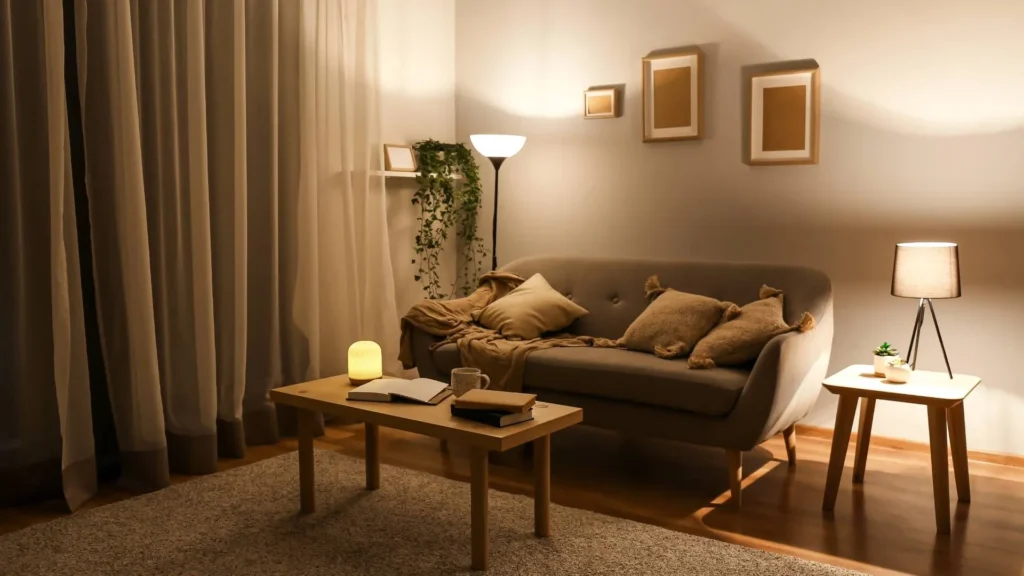
- Lower volume during early mornings and late evenings
- Avoid dragging furniture
- Use rugs or pads to absorb sound
👉 This is the kind of simple item that helps reduce noise and protect floors.

- GREAT FOR FURNITURE AND DÉCOR: Scotch felt pads for furniture on hardwood floors are great for chair legs, tables, stool…
- EASY TO USE: These chair leg protectors for hardwood floors have their own adhesive to make installation easy. Just peel…
- PROTECT HARD SURFACES: Protect your home with felt furniture pads for hardwood floors, tile, laminate, and vinyl.
2. Shared Spaces Deserve Extra Attention
Cleanliness is a form of respect
If you share hallways, elevators, parking areas, or laundry rooms, how you use them says a lot even if you never speak.
I’ve noticed that keeping shared spaces clean instantly reduces tension. It creates a sense of order and mutual care.

- Cleaning up immediately after pets
- Avoiding clutter in hallways
- Respecting shared storage rules
👉 Simple organization tools can make a big difference in shared areas.

- STORE & ORGANIZE – This divided bin with lids is great for creating a clean and organized refrigerator or pantry. Great …
- IDEAL STORAGE CHOICE – These large capacity bins are great for creating a clean and organized refrigerator or pantry. Th…
- 5 DIVIDED SECTIONS – The compact design of this storage container easily fits into small or crowded kitchen cabinet, cup…
3. Communication Is Better Than Assumptions
Talk early and calmly
One thing I’ve learned is that silence often makes problems worse. If something is bothering you, it’s usually better to address it early politely and calmly.
Instead of accusing, try explaining how a situation affects you.
For example:
“Hey, I just wanted to mention that the noise late at night has been a bit hard for me. Maybe we can find a solution together?”
This approach builds trust instead of defensiveness.

4. Set Clear Boundaries (And Respect Theirs)
Being friendly doesn’t mean having no limits
Healthy boundaries are essential for good neighbor relationships. You don’t need to share everything and you don’t need to be available all the time.
In my experience, people feel more comfortable when expectations are clear.
Boundaries might include:
- Visiting times
- Noise limits
- Shared item usage
Respecting boundaries builds long-term harmony.
5. Be Considerate With Smells and Outdoor Areas
What’s pleasant to you may not be to others
Cooking smells, trash, smoking, or strong fragrances can easily drift into neighboring spaces.
I’ve noticed that being proactive, like ventilating properly or sealing trash bags, prevents unnecessary discomfort.
👉 Air purifiers or odor-neutralizing products can be helpful in shared living environments.

- 𝐖𝐇𝐘 𝐂𝐇𝐎𝐎𝐒𝐄 𝐀𝐇𝐀𝐌 𝐕𝐄𝐑𝐈𝐅𝐈𝐃𝐄 𝐀𝐈𝐑 𝐏𝐔𝐑𝐈𝐅𝐈𝐄𝐑𝐒: AHAM (Association of Home Appliance Manufacturers) is an ANSI-accredited organiz…
- 𝐆𝐄𝐍𝐔𝐈𝐍𝐄 𝐑𝐄𝐏𝐋𝐀𝐂𝐄𝐌𝐄𝐍𝐓 𝐅𝐈𝐋𝐓𝐄𝐑𝐒: For the best performance and longest lifespan, use genuine Levoit replacement filters. Use …
- 𝐄𝐅𝐅𝐄𝐂𝐓𝐈𝐕𝐄 𝐏𝐔𝐑𝐈𝐅𝐈𝐂𝐀𝐓𝐈𝐎𝐍: 360° Air Intake and a compact design ensure optimal airflow for everyday use. The Core 200S-P is…
6. Small Acts of Courtesy Go a Long Way
You don’t need to be best friends
Simple gestures can change the tone of an entire building or street.
Things that often help:
- Saying hello
- Holding doors
- Letting neighbors know about parties or renovations
These actions create goodwill even among people who rarely interact.
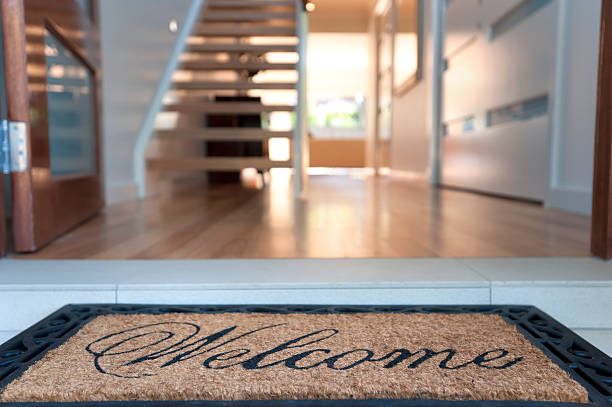
👉 Even small home details can make interactions feel more welcoming.

- Charming Floral Design – Welcoming “Hello” script surrounded by colorful flowers and butterflies adds a warm, cheerful t…
- Perfect Indoor/Outdoor Size – Measures approximately 17″ x 29″ x 0.6″, ideal for standard door spaces without being bulk…
- Reliable Non-Slip Backing – Vinyl backing helps keep the mat in place, ensuring stability and long-lasting shape retenti…
7. Handle Conflicts With Maturity and Fairness
Not every issue needs escalation
Disagreements happen it’s part of shared living. What matters is how they’re handled.
From what I’ve seen, most conflicts resolve better when:
- Emotions are kept under control
- Solutions are discussed calmly
- Third parties are involved only when necessary
Escalation should be the last step, not the first.
8. Understand Cultural and Lifestyle Differences
Not everyone lives the same way and that’s okay
Different schedules, cultures, and habits can sometimes cause friction. What feels “normal” to one person may be unfamiliar to another.
Practicing empathy helps avoid unnecessary judgment.
Ask yourself:
- Is this truly a problem or just different from my routine?
That mindset alone can prevent many conflicts.
Creating a More Peaceful Home Starts Beyond Your Door
A comfortable home isn’t built only with furniture, decor, or technology it’s also shaped by relationships and shared respect.
In my experience, following these simple rules doesn’t just improve neighbor relationships it improves how safe, calm, and enjoyable your home feels every day.
Sometimes, the best home upgrade isn’t something you buy it’s a habit you choose.