
Your Home Affects More Than You Think
Have you ever noticed how your mood changes depending on the space you’re in?
A cluttered, noisy, poorly lit environment can make you feel tired, stressed, and unfocused even before the day really starts.
On the other hand, a cozy home creates a sense of calm, safety, and mental clarity.
From experience working with home lifestyle content and applying these principles in everyday life, one thing becomes clear: your home environment directly influences your emotional state and productivity.
This article explains why that happens — using simple psychology concepts — and how you can apply them in practical ways.
The Psychology Behind a Cozy Home
Our brains are constantly reacting to our surroundings
Psychology shows that our brain is always processing environmental signals, even when we’re not aware of it.
Lighting, colors, sounds, and organization all send messages to our nervous system.
A cozy home sends signals of:
- Safety
- Comfort
- Stability
- Control
When your brain feels safe, it reduces stress hormones like cortisol and allows you to focus, relax, and think more clearly.
How a Cozy Home Improves Your Mood

Emotional comfort starts with physical comfort
A cozy environment doesn’t mean luxury. It means emotional ease.
Simple elements that improve mood include:
- Warm lighting instead of harsh white lights
- Soft textures like blankets, rugs, or cushions
- Neutral or warm color palettes
- Clean, uncluttered surfaces
These details help your brain associate your home with rest and emotional balance.
Why this matters daily
When your home feels pleasant:
- You feel less overwhelmed
- Your patience increases
- Your energy feels more stable
- You experience less mental fatigue
This is especially important for people who work from home or spend long hours indoors.
The Link Between a Cozy Home and Productivity
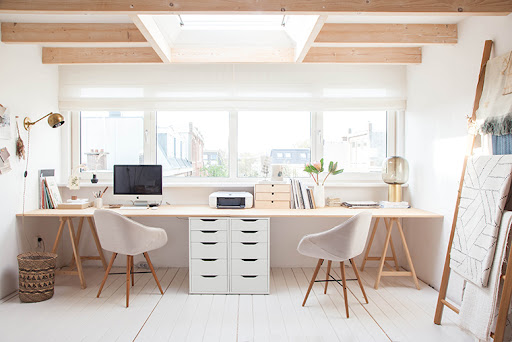
Productivity isn’t about pressure, it’s about clarity
Many people think productivity comes from strict routines and discipline.
In reality, productivity improves when your environment supports focus instead of fighting it.
A cozy home helps productivity by:
- Reducing visual distractions
- Improving concentration
- Making tasks feel less exhausting
- Encouraging consistency
When your space feels organized and comfortable, your brain spends less energy “coping” and more energy doing.


Simple Ways to Make Your Home Cozier (and More Productive)

You don’t need big changes. These small adjustments already make a difference:
1. Improve your lighting
Use warm, indirect lighting in living and working areas.
This reduces eye strain and creates a calmer atmosphere.
2. Keep frequently used areas clutter-free
Focus on surfaces you see every day: desks, kitchen counters, bedside tables.
Less visual noise = more mental clarity.
3. Create zones
Separate spaces for work, rest, and relaxation even in small homes.
Your brain performs better when it knows what each area is “for”.
4. Add personal elements
Photos, plants, or meaningful objects increase emotional connection with your space, improving mood and motivation.

- 🧡 MANIFESTATION & HEALING CANDLE WITH CRYSTALS – Hand-poured with rose quartz and citrine crystals, this luxury manifest…
- 🧡 SOOTHING VANILLA CASHMERE SCENT – A warm and inviting blend of vanilla, magnolia, jasmine, sandalwood and amber, this …
- 🧡 GIFT-READY CRYSTAL CANDLE FOR WOMEN – Arrives in a luxury gift box with poetic affirmation card, ideal for gifting as …
Well-Being Starts at Home
From a well-being perspective, your home works like a silent partner in your daily life.
A cozy home:
- Supports emotional regulation
- Reduces daily stress
- Improves sleep quality
- Helps maintain focus and motivation
That’s why mental health professionals often recommend improving your physical environment as part of self-care routines.
Why This Matters More Than Ever
With more people working remotely and spending more time indoors, home well-being is no longer a luxury, it’s essential.
Your home is where you reset, create, work, and rest.
When it feels cozy, your mind feels supported.
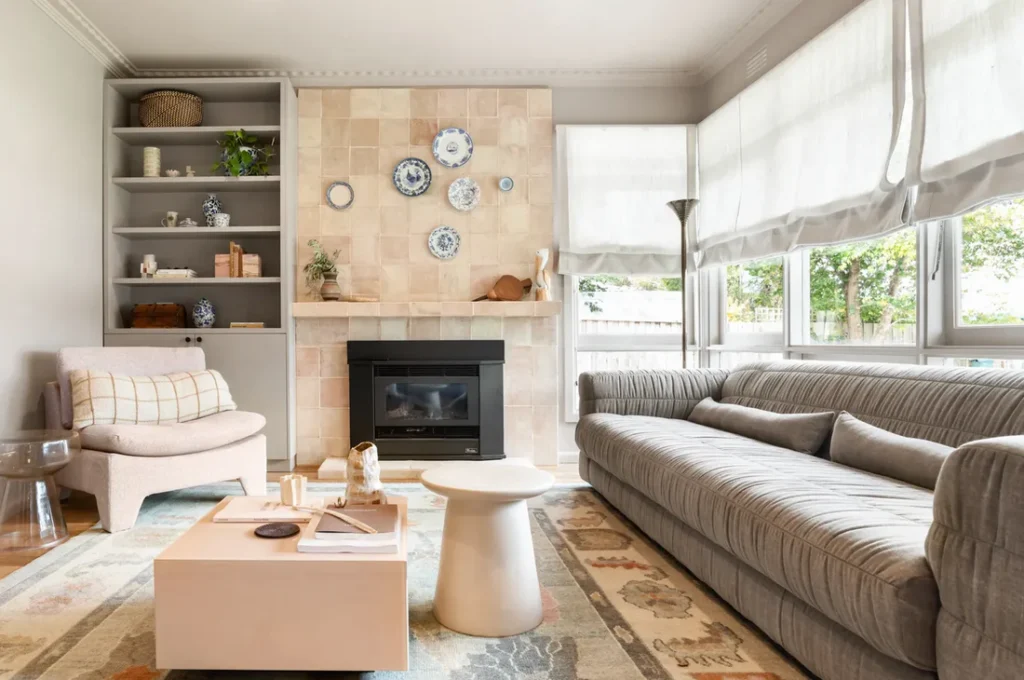
A Cozy Home Is a Productivity Tool
A cozy home is not about decoration trends or expensive furniture.
It’s about creating an environment that helps you feel better and function better.
Small changes lead to big emotional and productivity gains.
Your mood improves.
Your focus increases.
And your home becomes a place that truly works for you every single day.